Requiem for a Dream
Or What does the world look like?

The artist David Hockney died last month. There is a quote by him that I had encountered last year as an epigraph to Amitava Kumar’s splendid The Yellow Book. Hockey writes:
What does the world look like? I don’t think it looks like photographs. You have to find out for yourself, you have to draw it.
I like hoarding quotes. I had immediately written Hockey’s words in my journal and given my serious illness of forgetfulness, I had made a promise to myself that I will try to recall the quote each day so that I can remember it for my life. I recall continuing that exercise for a few weeks but as time went by I was only able to remember the first half of the quote - What does the world look like? I don’t think it looks like photographs. Even now I had to pull up the quote from Amitava’s book.
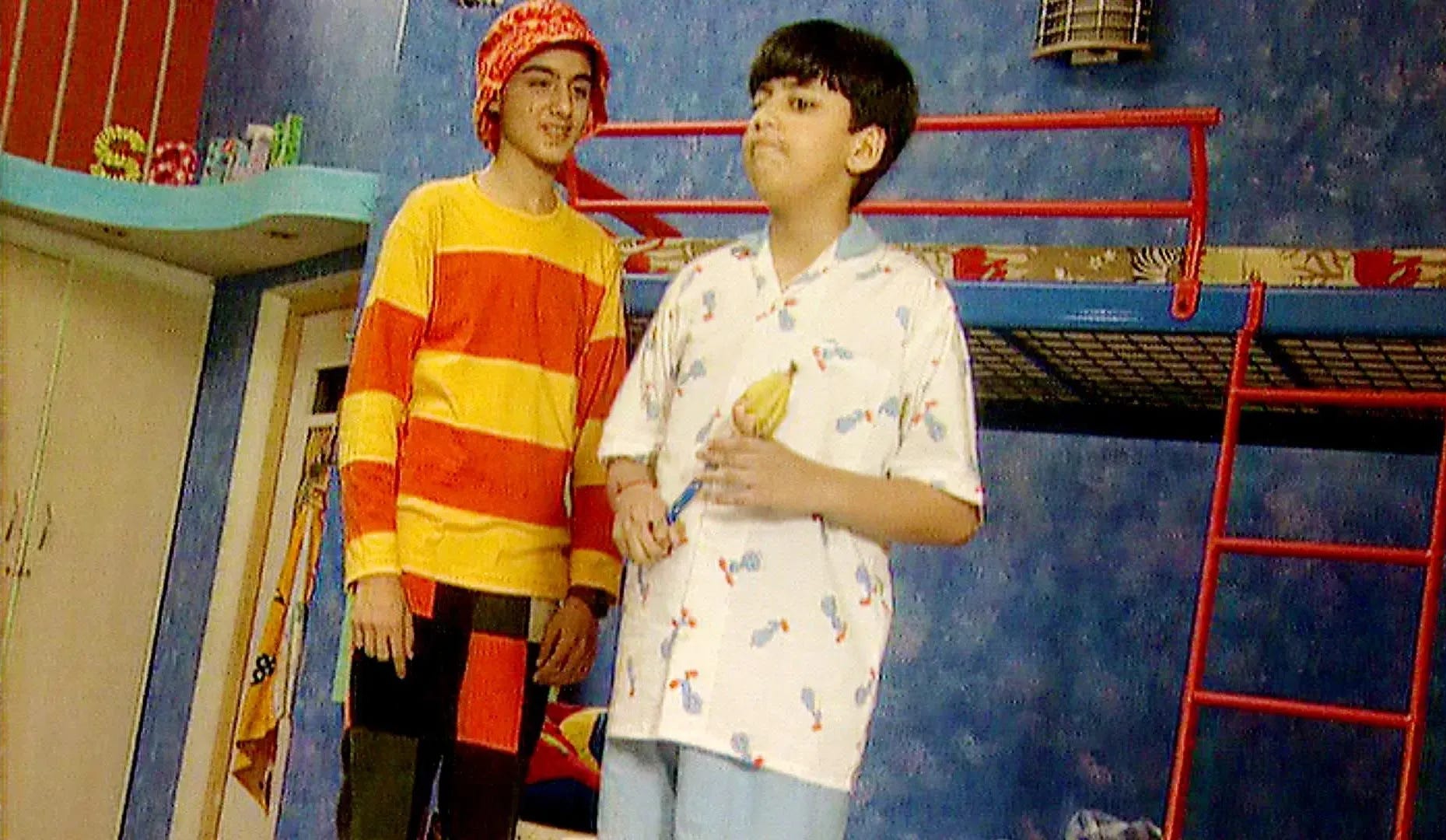
I too believe that the world doesn’t look like photographs or the way the camera presents the reality to us. But there was a time, a large period of my life to be honest, when I did believe otherwise. Growing up in the 2000s, like many other kids, I used to watch a lot of TV. This box-like device in the first room of my house and other houses I went to and the photographs I encountered elsewhere were the only means through which I learnt of the world that was supposed to exist outside Ukai and Songadh. There were shows that me and my sister used to watch regularly - Shararat, Hatim, Vikraal aur Gabraal, Ssssh Phir Koi Hai, Son Pari, Karma, and many more.
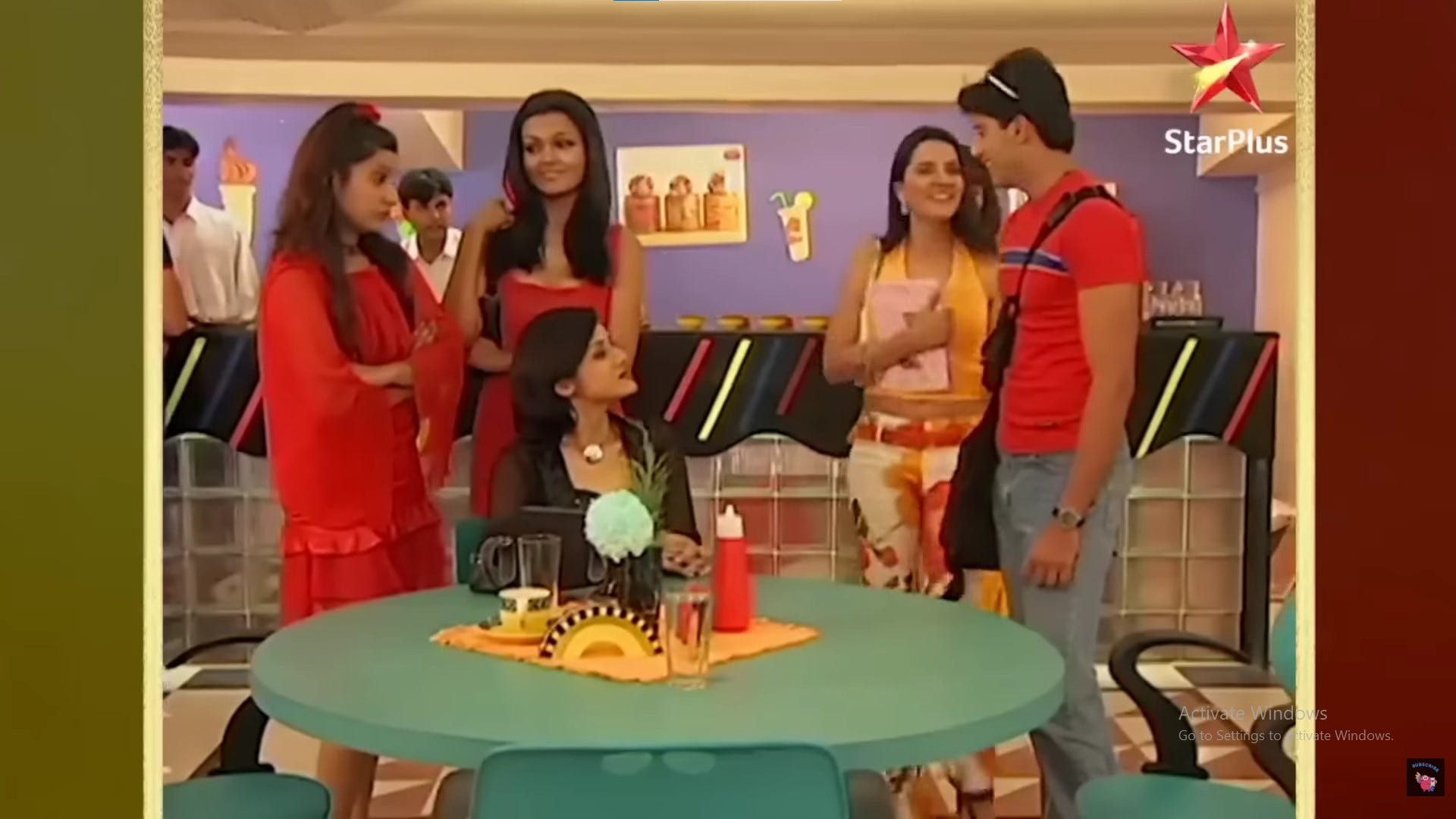
And there were other shows which we saw because mummy used to watch them after dinner, shows which we would detest in the beginning for they took away time to watch our shows but eventually we would get immersed in them equally. I distinctly remember shows such as Kasauti Zindagi Ki, Kasam se, Kyuki Saas Bhi Kabhi Bahu Thi (which I mistakenly used to think was named ‘Tulsi’ because Smriti Irani’s character was the only one we were interested in).
All the shows from that time looked similar; by that I mean they all had a common visual aesthetic. The picture quality did not possess HD clarity like it does today. The image was hazy and grainy; the faces of characters were not clear and the background, even more unclear, was not a bothersome presence to the eyes. This hazy world that I saw on television was not like the world which I saw with my eyes in everyday life. I liked this haze. It gave a dream like quality to these shows and immediately established a distance between my world and the world of these images.
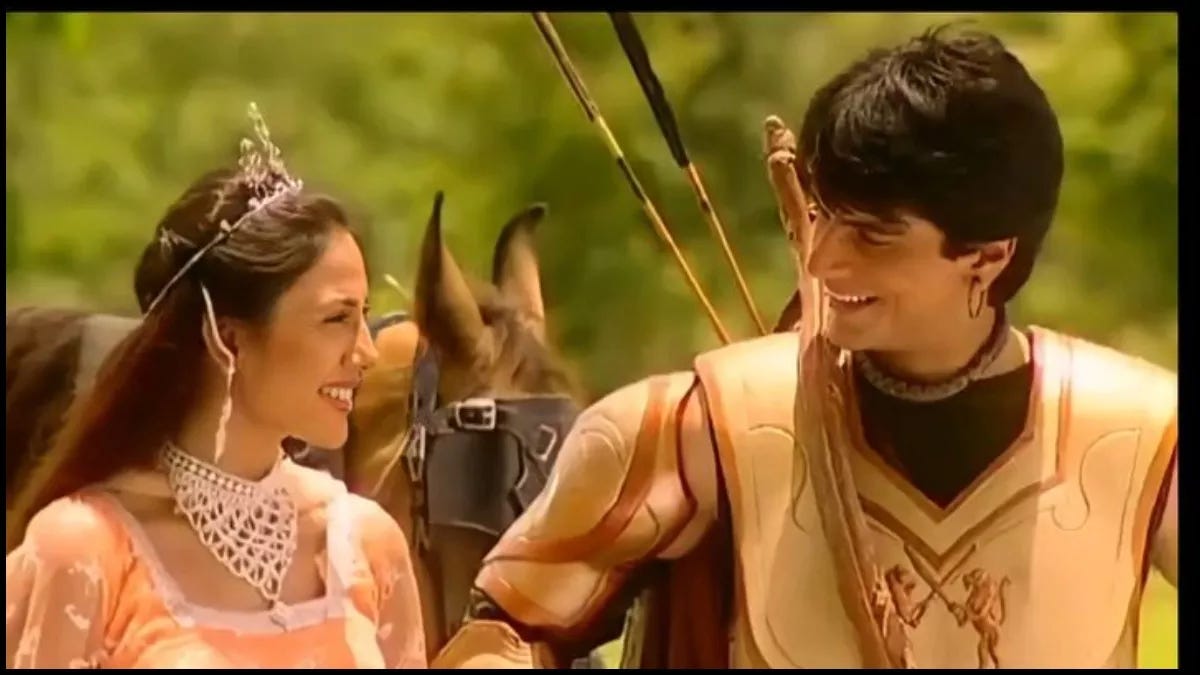
I yearned to be there; not so much to experience the lives of the characters but simply (and only) to inhabit that haze. I would daydream about it in school, in my tuition classes in the evening, and even when going to sleep I would wonder - “When would my world look like this? How would that haze feel?” I doggedly wished for my eyes to experience that haze, so that I too could enter that dream, that dream of Shararat, of Hatim.
Yet dreams alone weren’t the only way in which I imagined this distant landscape of hazy images. There was another, more ingenuous, way in which my naïve mind would try to understand this disjunction between what my eyes saw and what the television exhibited. In those years I had the assumption, quite resolute, that when I would grow up the world would start looking like the images; that say when I would go to college my life would look like Jiya’s in Shararat and when I would get married it would be like Kasauti Zindagi Ki or Kasam Se. Underlying this was the stronger assumption that the haze lied on the other side of childhood, outside my surroundings in Ukai.
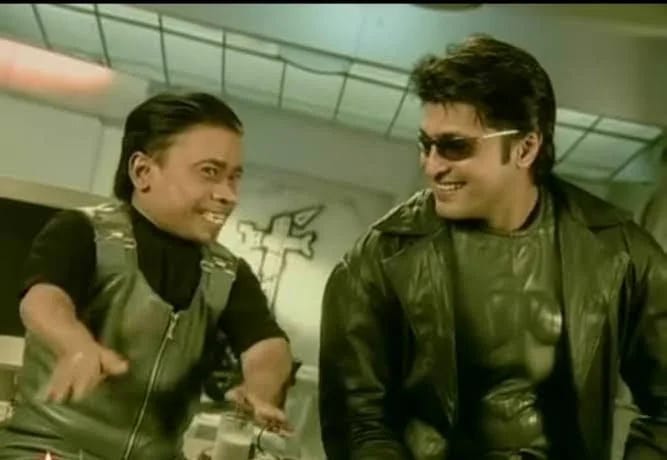
This assumption nurtured the belief in me that there is a ‘future’ waiting for me in which the world would like this and given my yearning for the haze this future would be kind and for that reason, hopeful. It also dawned upon me recently that for myself the belief in the existence of such a future also inevitably meant the hope for a better country, a better world that lied ahead of me and that I was supposed to work towards it. I know this doesn’t make sense but what more can you expect from a child.
But the haze never arrived, the world only became more and more clear. It was a violence upon my vision, my dream. Perhaps much of the disappointment that comes with growing up stems from the realization of this fact, from the undeniability of the clarity of this world. Or at least that is how it has been in my case.
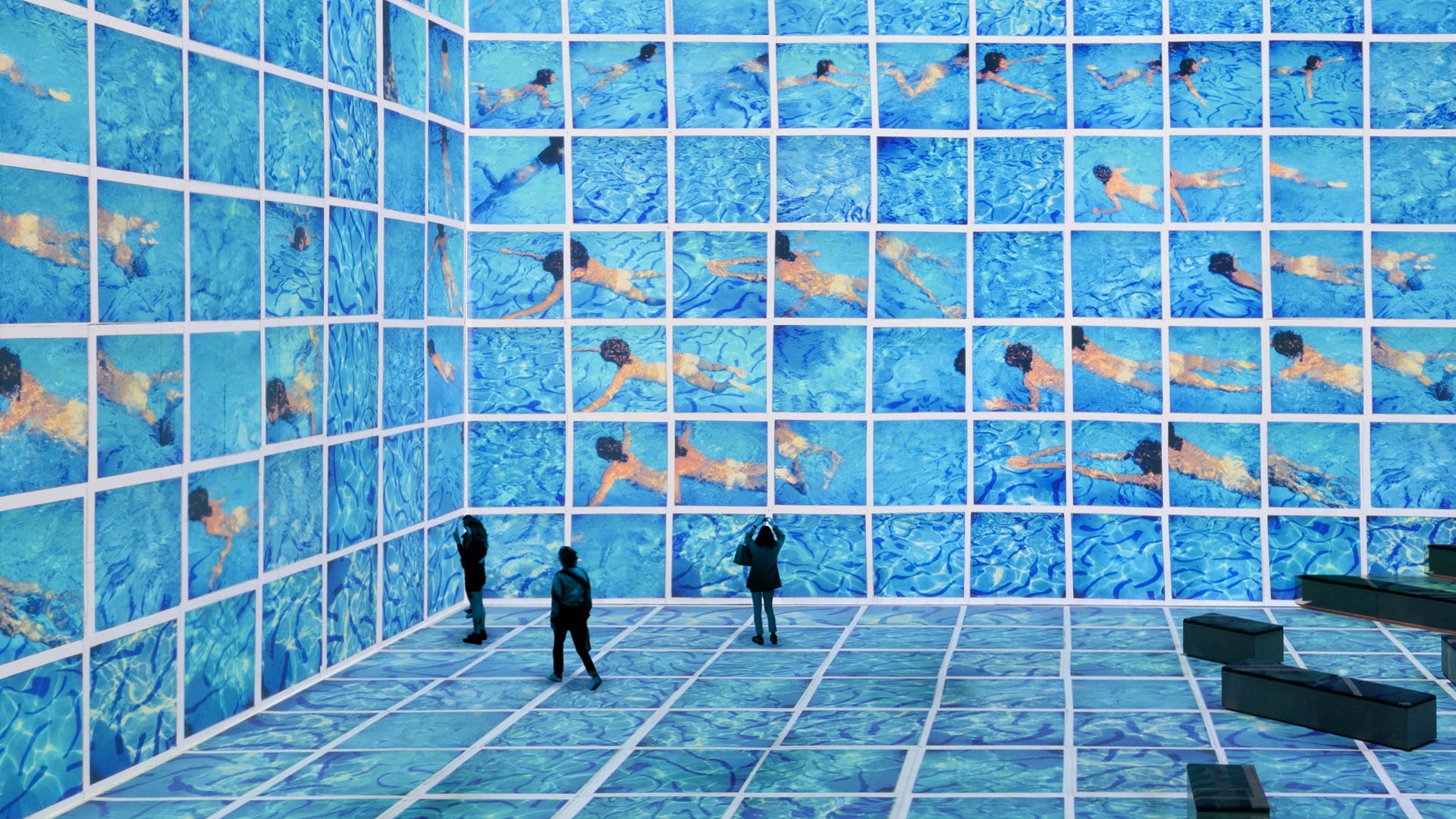
And perhaps that is why as I grew up and slowly started becoming aware of this disappointment, I wanted to see less and less of this clear abyss of the real world. I started seeking refuge in the temporary haze of my temporary dreams at night. I remember there would be days in my teens when I would not want to wake up for the dream to continue endlessly. And even upon waking up I wouldn’t turn on the lights or open my eyes fully, for the haze of the dream to linger for some more time, for the clarity to remain quiet. Maybe that is why, even now, I dream so much and sleep so less at night.
These days when I come across clips of these shows on Instagram, my heart sinks and my throat goes dry, not out of nostalgia for my past that is lost but for that future that I will never be able to reach in my lifetime. The world will never look like the world of Shararat, of Vikraal aur Gabraal. The finality of that thought is sickening. But even when hope of ever inhabiting that world has been lost irredeemably, the yearning hasn’t vanished. Isn’t it foolish that after all these years, I now go out in search for that haze in the the silent streets of Ukai?
Painfully beautiful, once again ;)